
The India Energy Hour Presented by 101Reporters
Episodes
Latest Episode
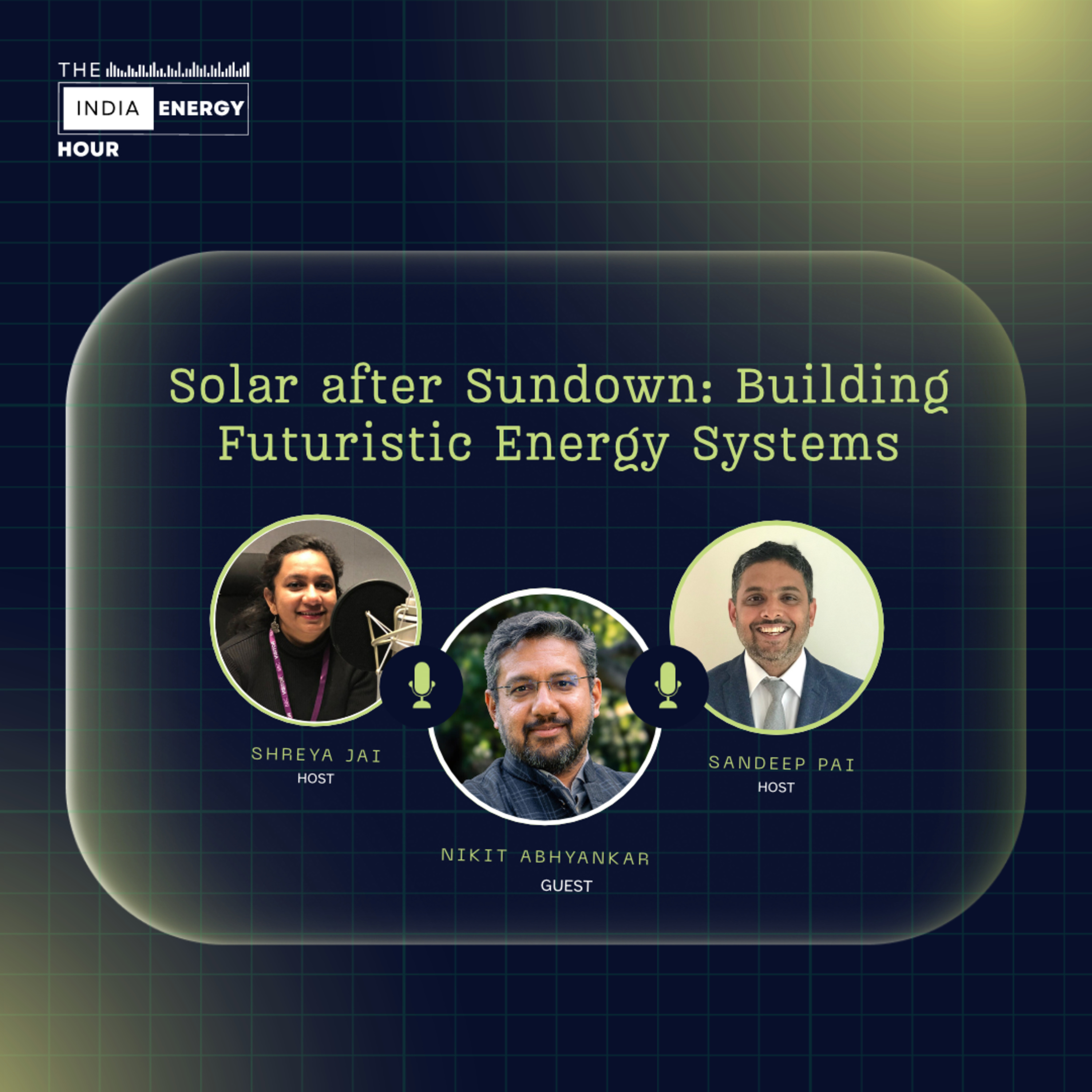
Solar after Sundown: Building Futuristic Energy Systems| ft. Nikit Abhyankar
India increasingly faces a peculiar paradox: surplus electricity during the afternoon, when solar generation is at its peak, and shortages during the evening, when demand rises and solar generation falls. Bridging this gap will require much more than adding renewable energy capacity. It requires rethinking how India generates, stores and delivers electricity. To discuss these shifts and their implications we’re joined by Dr. Nikit Abhyankar, Faculty at the Goldman School of Public Policy, University of California, Berkeley. He is also the co-faculty director at the India Energy and Climate Center at UC Berkeley, where his work focuses on energy systems, electricity markets, clean energy transitions and energy policy. The discussion explores how renewable energy growth is reshaping India's electricity grid and why storage and demand flexibility are becoming increasingly important. It also examines the economics of thermal mimic auctions and whether India's clean energy innovations could offer lessons for other emerging economies. Full transcript of the episode is available in English. Created by 101Reporters. Produced by World Energy and Development Society Nikit Abhyankar on LinkedIn Follow TIEH podcast on Twitter, Linkedin & YouTube Our hosts, Shreya Jai on Twitter, Linkedin & Dr. Sandeep Pai on Twitter, Linkedin
More Episodes109
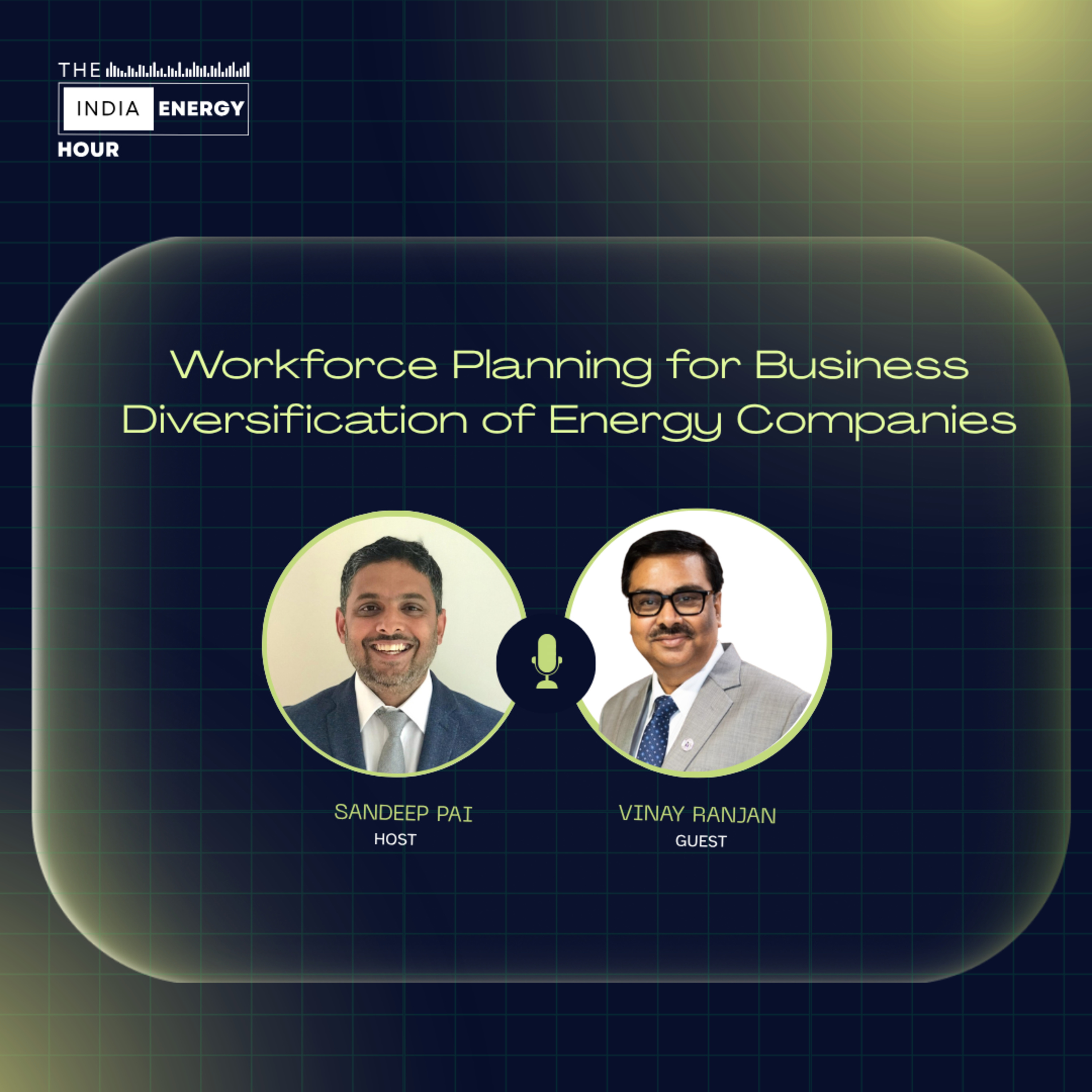
If India is to achieve its net-zero target by 2070, many traditional industries, including state-owned fossil fuel companies, will need to rapidly diversify their businesses. This shift will require a significant workforce transition within these companies as they venture into new sectors and build new capabilities. In this episode, we speak with Dr. Vinay Ranjan, former Director–Human Resources at Coal India Limited, about the workforce dimensions of this transition. Drawing on his experience of leading HR in both the public and private sectors, Dr. Ranjan discusses what business diversification means for employees, approaches to reskilling and workforce planning, and how strategies for managing this transition differ across the public and private sectors. Full transcript of the episode is available in English. Created by 101Reporters. Produced by World Energy and Development Society Vinay Ranjan on LinkedIn Follow TIEH podcast on Twitter, Linkedin & YouTube Our hosts, Shreya Jai on Twitter, Linkedin & Dr. Sandeep Pai on Twitter, Linkedin
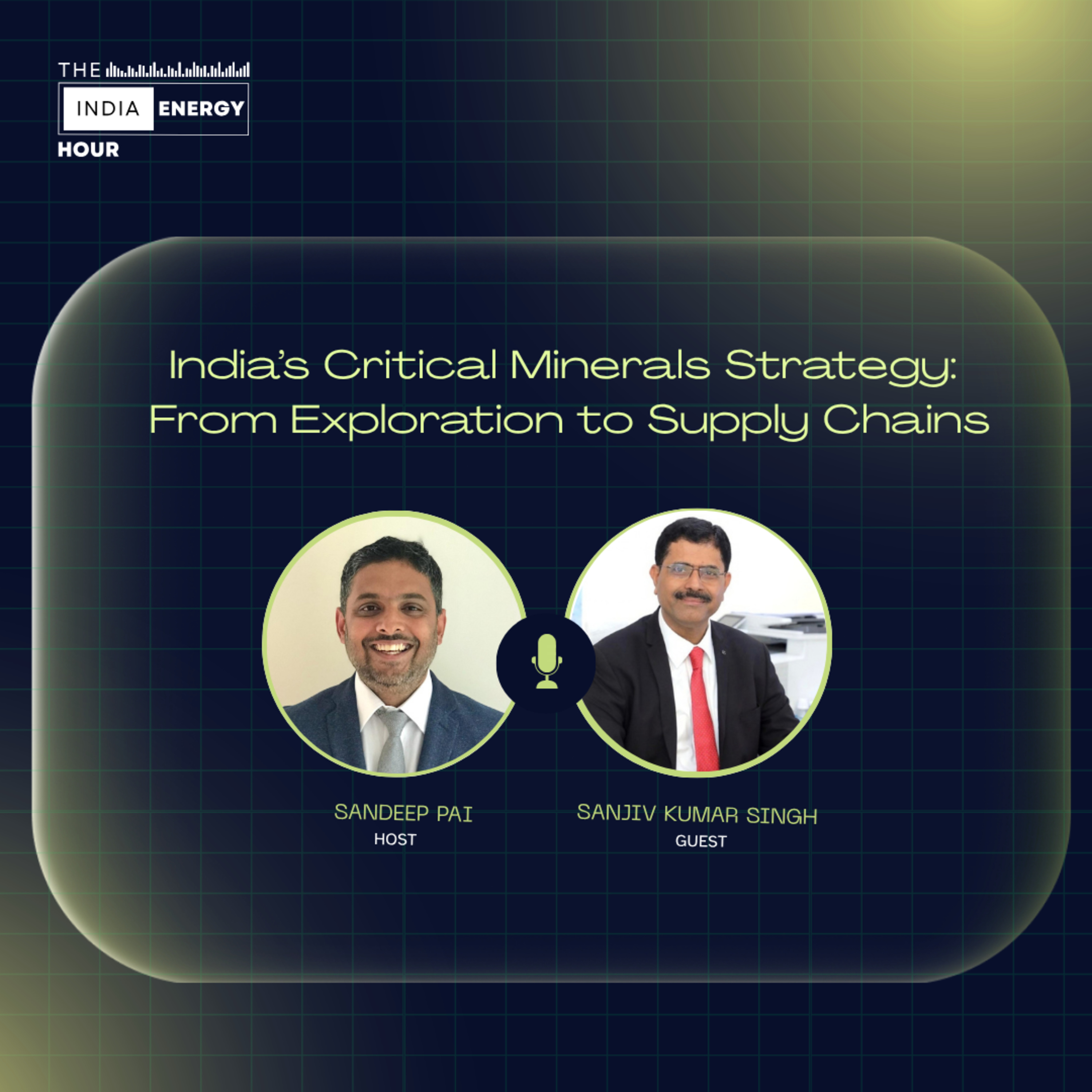
India’s energy transition is driving growing demand for critical minerals, from copper and lithium to vanadium and other strategic resources. But securing these minerals requires more than discovering new deposits. India needs to strengthen the critical mineral value chain while building international partnerships for resources and technology. In Episode 107 of The India Energy Hour, Mr. Sanjiv Kumar Singh, former CMD of Hindustan Copper Limited, joins Dr. Sandeep Pai for a conversation on India’s critical minerals trajectory. Drawing on his experience at CMPDI, NTPC and Hindustan Copper, Mr. Singh discusses where India’s critical mineral strategy stands today and the gaps that need to be addressed. The conversation also covers deeper exploration, stronger processing and refining, and greater collaboration across India’s critical mineral value chain. Full transcript of the episode is available in English. Created by 101Reporters. Produced by World Energy and Development Society Sanjiv Kumar Singh on LinkedIn Follow TIEH podcast on Twitter, Linkedin & YouTube Our hosts, Shreya Jai on Twitter, Linkedin & Dr. Sandeep Pai on Twitter, Linkedin
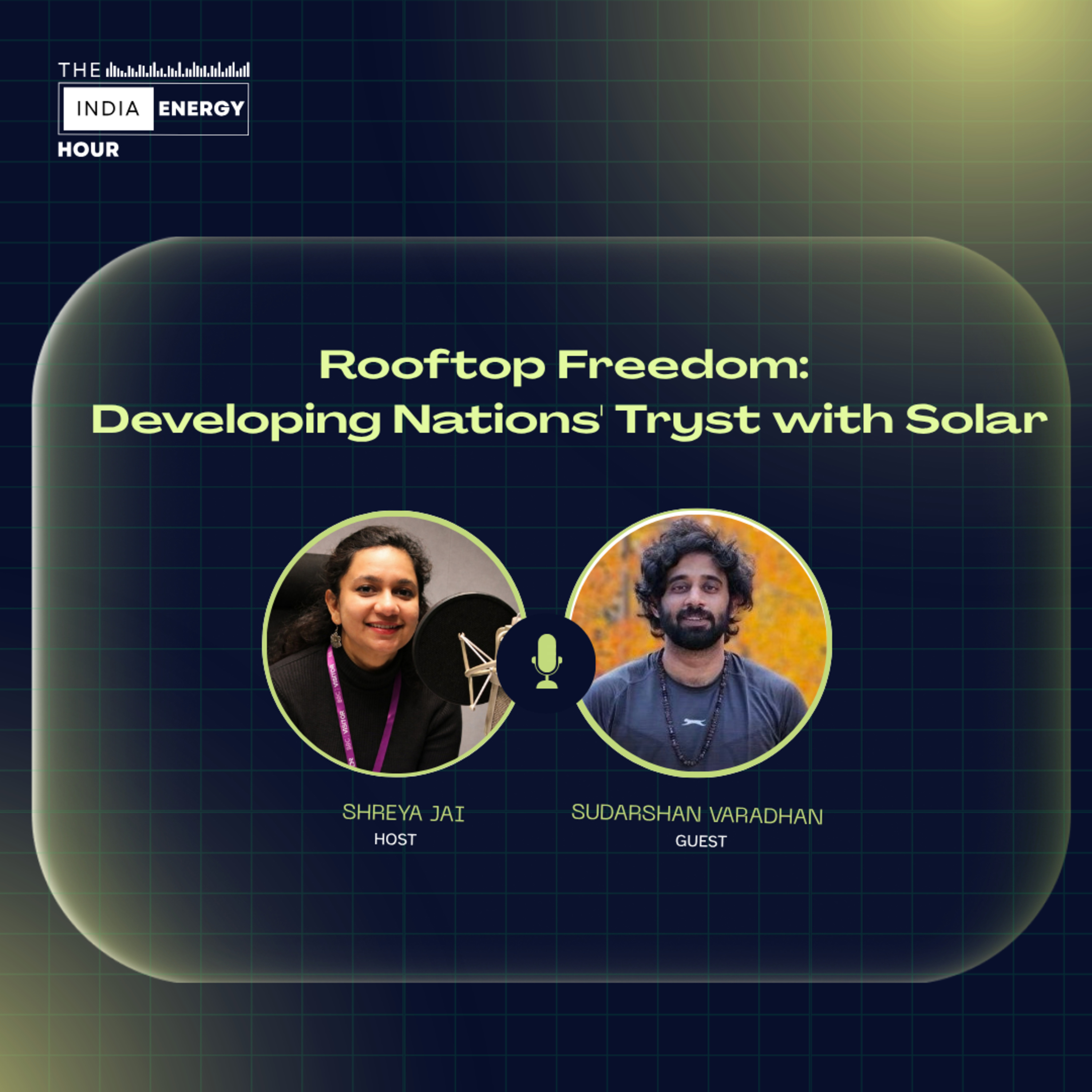
What happens when people stop waiting for the grid to give them reliable and affordable electricity, and build their own energy systems? Across the developing world, rooftop solar is not just a climate solution or a policy-driven transition anymore. In countries facing high electricity prices, unreliable grids and political or economic instability, off-grid renewable energy is increasingly becoming an economic choice of energy freedom. From Pakistan and Sri Lanka to South Africa, Bangladesh, the Philippines, and Indonesia, rooftop solar is expanding rapidly. In this episode of The India Energy Hour, we are joined by Sudarshan Varadhan, Asia Energy Correspondent at Reuters reporting on these economies, and the trends shaping their energy markets. We discuss the rise of off-grid solar solutions, the forces driving the global rooftop solar boom and whether there is any template for Indian states to follow and build their green energy futures. Full transcript of the episode is available in English. Created by 101Reporters. Produced by World Energy and Development Society Sudarshan Varadhan is on LinkedIn Follow TIEH podcast on Twitter, Linkedin & YouTube Our hosts, Shreya Jai on Twitter, Linkedin & Dr. Sandeep Pai on Twitter, Linkedin
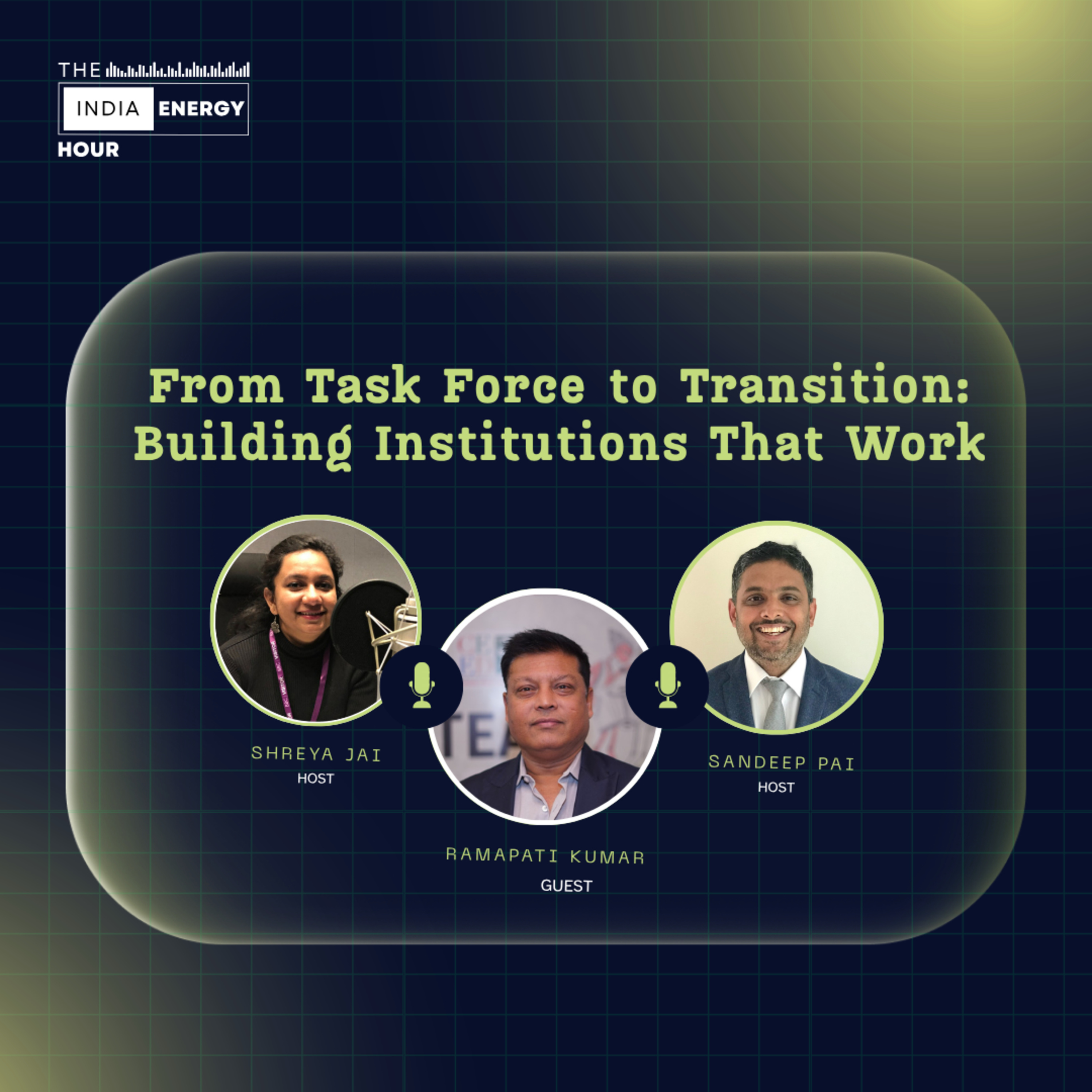
What does it take to make a just transition actually work? For a state like Jharkhand, this is not an abstract question. Coal is deeply woven into its economy, livelihoods and the identity of entire communities. But as the energy system changes, what happens to the people, places and economies built around coal? In 2022, the Government of Jharkhand constituted the Task Force on Sustainable Just Transition to help answer that question. Bringing together multiple government departments and stakeholders, the Task Force is working to assess the impacts of transition, identify new opportunities and develop policy pathways for a more sustainable and equitable future. In this episode of India Energy Hour, we speak with Ramapati Kumar, CEO, Centre for Environment and Energy Development (CEED), about how the Task Force has evolved and what its future role could look like as Jharkhand’s just transition takes shape. Full transcript of the episode is available in English. Created by 101Reporters. Produced by World Energy and Development Society Ramapati Kumar is on LinkedIn Follow TIEH podcast on Twitter, Linkedin & YouTube Our hosts, Shreya Jai on Twitter, Linkedin & Dr. Sandeep Pai on Twitter, Linkedin
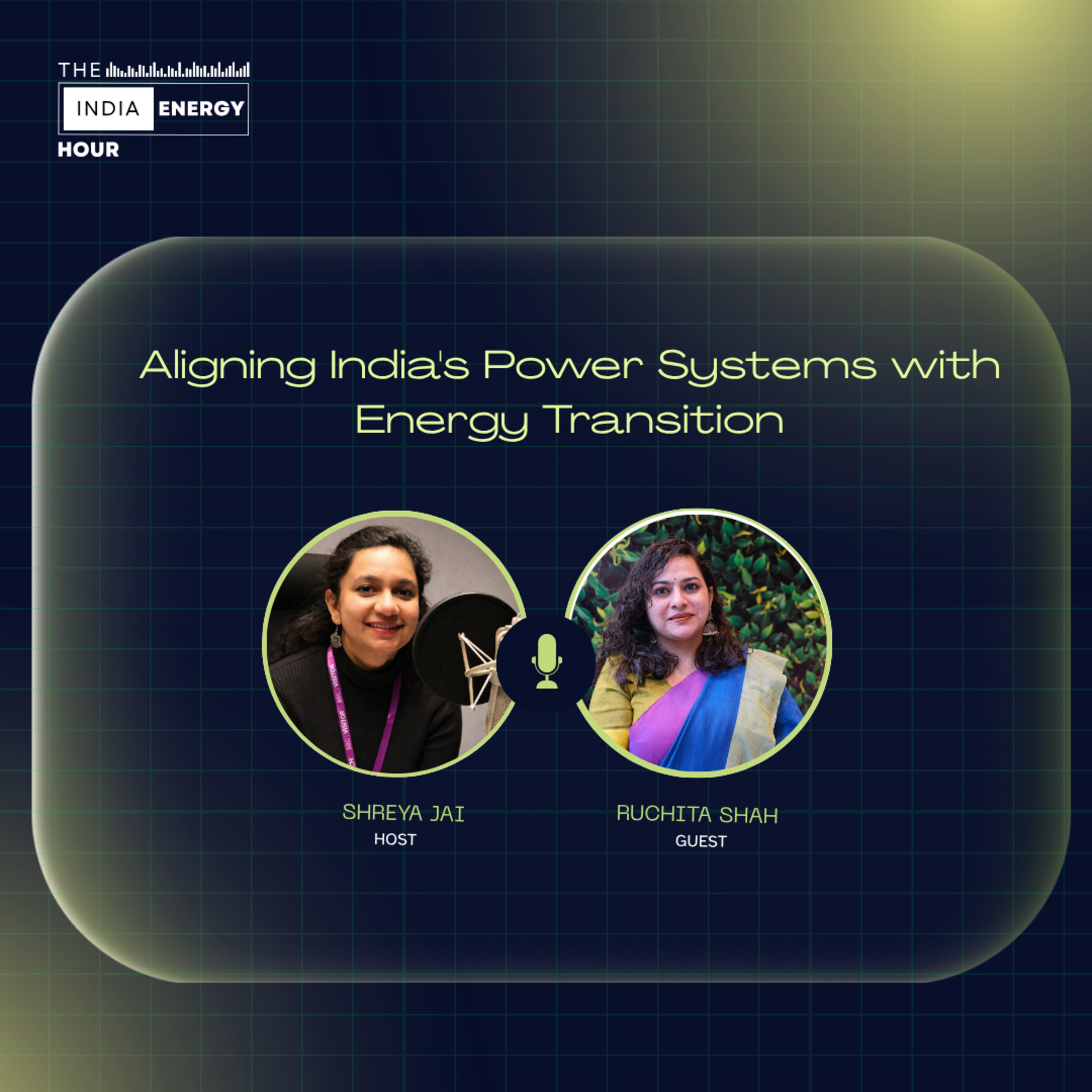
India’s energy transition is entering a new phase. The challenge is no longer simply about adding more renewable energy capacity, but about making the power system flexible enough to absorb and use that energy effectively. This also means rethinking the role of conventional sources, investing in storage, and understanding how states are shaping their transition through policies and distributed renewable energy. In this episode of The India Energy Hour, we speak with Ruchita Shah, Energy Analyst with Ember’s Asia team, where she focuses on accelerating the global electricity transition, particularly in Asia, with a focus on India. She delves into why flexibility is becoming central to India’s power system, and how rooftop solar and other distributed renewables are changing the way we plan for electricity. Full transcript of the episode is available in English. Presented by 101Reporters Ruchita Shah is on LinkedIn Follow TIEH podcast on Twitter, Linkedin & YouTube. Our hosts, Shreya Jai on Twitter, Linkedin & Dr. Sandeep Pai on Twitter, Linkedin
Podcast Ratings & Comments
Podcast Ratings1
Podcast Comments0
About This Podcast
Description
The India Energy Hour podcast features in-depth conversations with leading energy, development & climate experts from academia, civil society, & the government. Through these interviews, we explore Indian energy transitions’ most pressing hurdles & promising opportunities. We look at the role that government, financial markets, social movements, & science plays in transition. Co-hosted by Shreya Jai, a leading energy & climate change reporter and Sandeep Pai, an energy transition researcher & author. Contact us at: [email protected]
Language
English
Release Schedule
Monthly
Hosted By
101Reporters
Running Since
January 2021
Total Listening Time
107 hours
Content Rating
Clean
Other Podcasts in India
View All
Report Comment
See a comment that violates our guidelines? Let us know.